Modern manufacturing lacks energy-efficient, interoperable, and secure Edge AI systems capable of adapting to dynamic production conditions, limiting large-scale adoption. Emerging Edge AI, which delivers real-time, secure, and adaptive intelligence at the source, offers the potential to enable resilient, efficient, and autonomous production—driving a paradigm shift in manufacturing. Neuromorphic electronics have emerged as a breakthrough for Edge AI, enabling simultaneous data processing and storage with ultra-low power consumption. Our group aims to embed these capabilities into materials and manufacturing systems to create autonomous, intelligent production that senses, thinks, decides, and acts in real time.
Research
Semiconductor Manufacturing and AI Chip Packaging
As transistor scaling meets physical and economic limits, heterogeneous integration of memory, logic, and emerging materials is critical for sustaining performance and enabling next-generation computing. The demand for energy-efficient, scalable systems is accelerating with the rise of edge AI, advanced sensing, and data-centric technologies. However, integrating emerging memories and nanomaterials with CMOS platforms presents persistent challenges that limit manufacturability, scalability, and system reliability. Our group focuses on design and manufacturing of next-generation of computing architectures and AI chips through nonstructural innovation, low-temperature integration strategies, and 3D heterogeneous stacking techniques. By bridging device-level breakthroughs with system-aware design,we seek to enable manufacturable, energy-efficient semiconductor platforms, while exploring opportunities to interface emerging memory architectures with photonic interconnects for next-generation high-bandwidth, intelligent systems.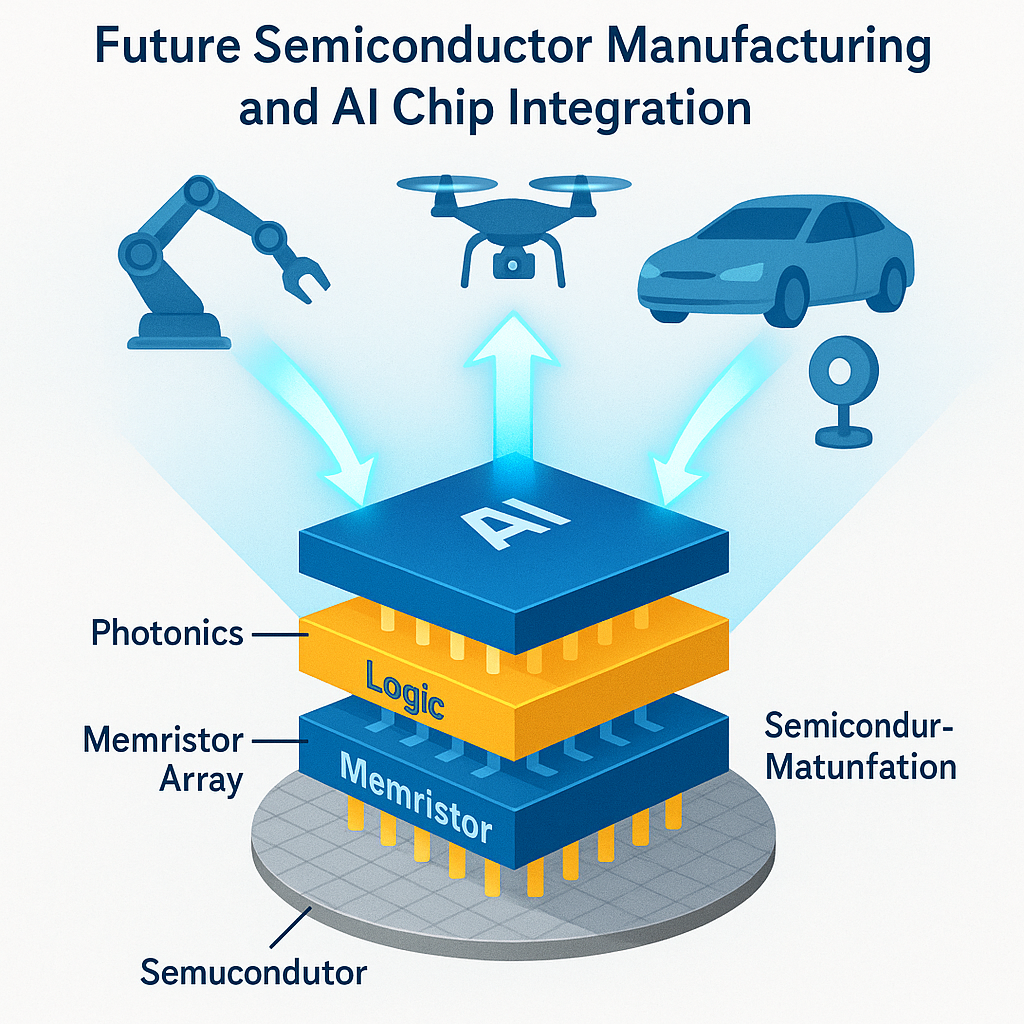
Extreme Manufacturing
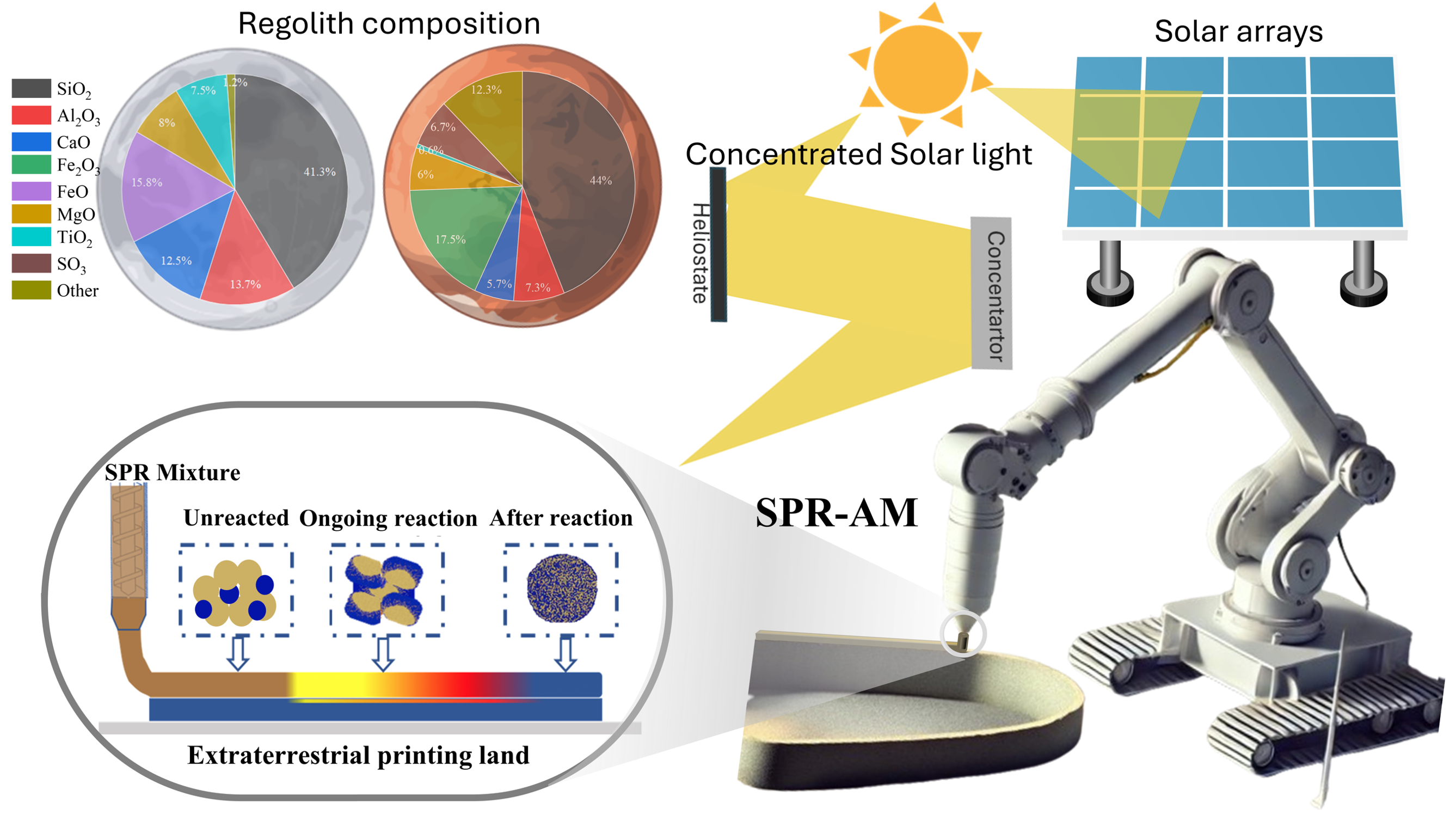
Extreme conditions, such as remote &off-grid, cold, wet, or saline environments on Earth, or zero-gravity, limited-resource, and radiation environments in outer space, pose considerable challenges in manufacturing. Our team aims to address such challenges with materials design, process innovation, and energy transformation.
Smart Healthcare and Manufacturing
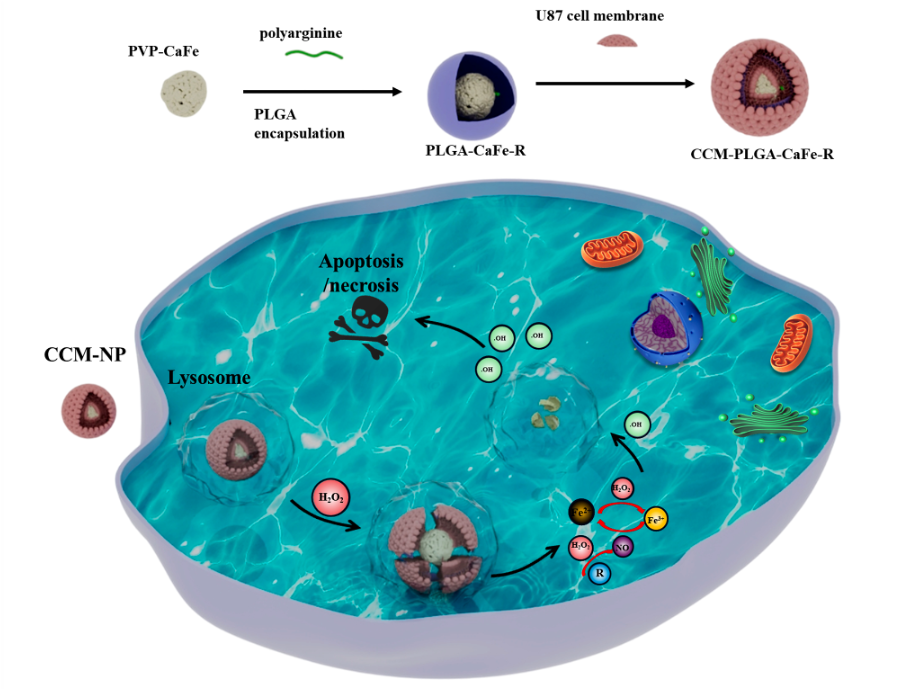
Nanotechnology holds great promise for overcoming current challenges in biomedical sensing, drug delivery, and autonomous healthcare treatment. Particularly, smart nanosystems offer a new approach to the effective monitoring and management of healthcare. Our current effort is to design and fabricate intelligent, responsive, immune-modulating nanosystems to integrate sensing, power, and therapy in real biological systems.